Anti-Cancer Foods & Diet Patterns
In brief
Which foods and diet patterns help reduce cancer risk?
No single food prevents cancer, but diets rich in cruciferous vegetables, berries, allium vegetables, tomatoes, green tea, turmeric, fatty fish and whole grains supply compounds linked to lower cancer risk. Dietary patterns such as the Mediterranean, plant-based and anti-inflammatory diets are associated with reduced rates of several cancers. Pairing these foods with a healthy weight, limited alcohol, less processed and red meat, regular activity and not smoking further supports cancer prevention.
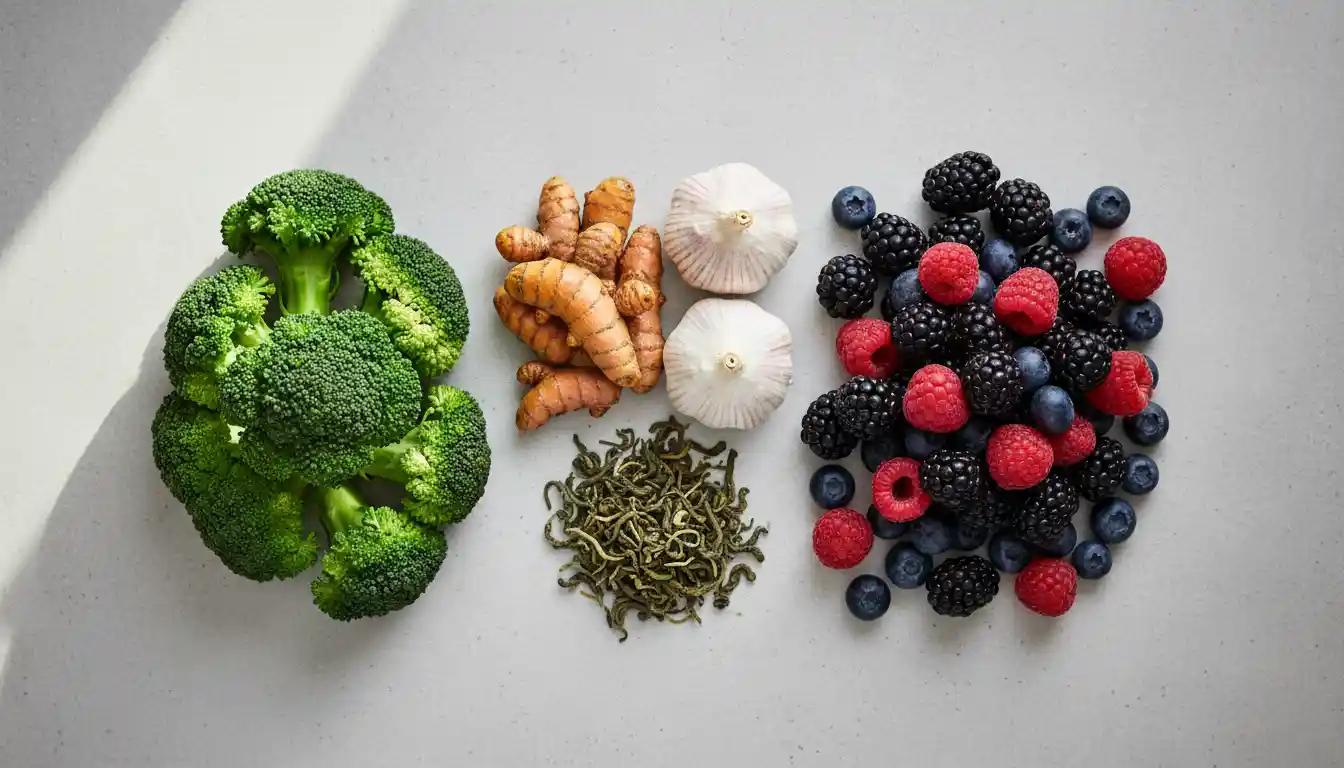
While no single food can prevent cancer, research shows that certain foods and dietary patterns can significantly reduce your risk. This guide explores the science behind anti-cancer nutrition and provides practical ways to incorporate protective foods into your daily diet.
The Power of Plant Foods
Plants produce thousands of protective compounds called phytochemicals that help fight inflammation, neutralize free radicals, and even help repair damaged DNA. A diet rich in diverse plant foods provides the best protection.
Top Anti-Cancer Foods
Cruciferous Vegetables
Help neutralize carcinogens and reduce tumor growth
Foods: Broccoli, cauliflower, Brussels sprouts, kale, cabbage
Key compounds: Sulforaphane, indole-3-carbinol
Berries
Powerful antioxidants that protect against cell damage
Foods: Blueberries, strawberries, raspberries, blackberries
Key compounds: Anthocyanins, ellagic acid, vitamin C
Allium Vegetables
May slow cancer cell growth and boost immune function
Foods: Garlic, onions, leeks, chives, shallots
Key compounds: Allicin, quercetin, organosulfur compounds
Tomatoes
Linked to reduced risk of prostate and other cancers
Foods: Fresh tomatoes, tomato sauce, tomato paste
Key compounds: Lycopene (best absorbed when cooked with oil)
Green Tea
Inhibits tumor growth and angiogenesis
Foods: Matcha, sencha, green tea extract
Key compounds: EGCG (epigallocatechin gallate)
Turmeric
Anti-inflammatory and may inhibit cancer cell proliferation
Foods: Fresh turmeric, turmeric powder, golden milk
Key compounds: Curcumin (enhanced with black pepper)
Fatty Fish
Reduce inflammation and may slow cancer progression
Foods: Salmon, mackerel, sardines, herring
Key compounds: Omega-3 fatty acids (EPA and DHA)
Whole Grains
Associated with lower risk of colorectal cancer
Foods: Oats, brown rice, quinoa, whole wheat
Key compounds: Fiber, phenolic acids, lignans
Protective Dietary Patterns
Mediterranean Diet
Rich in olive oil, fish, vegetables, fruits, and whole grains. Associated with 10-25% reduced cancer risk.
Plant-Based Diet
Emphasizes fruits, vegetables, legumes, and whole grains. Lower rates of various cancers.
Anti-Inflammatory Diet
Focuses on foods that reduce chronic inflammation, a known cancer promoter.
Sample Anti-Cancer Day
🌅 Breakfast
Oatmeal with berries, ground flaxseed, and green tea
🌞 Lunch
Large salad with kale, tomatoes, broccoli, chickpeas, and olive oil dressing
🍎 Snack
Hummus with carrot sticks and a handful of walnuts
🌙 Dinner
Grilled salmon with roasted Brussels sprouts, garlic, and turmeric rice
Lifestyle Factors for Cancer Prevention
- Maintain Healthy Weight: Excess body fat linked to 13 types of cancer
- Limit Alcohol: Associated with cancers of mouth, throat, liver, breast, and colon
- Avoid Processed Meats: Classified as Group 1 carcinogen by WHO
- Limit Red Meat: Keep to 350-500g cooked weight per week maximum
- Stay Active: Regular exercise reduces risk of several cancers
- Don't Smoke: Tobacco causes 22% of cancer deaths globally
🔧 Track Your Progress
Use our health tools to monitor metrics that affect cancer risk.
Get Personalized Cancer Prevention Guidance
Our dietitians can help you incorporate cancer-protective foods into a delicious, practical eating plan tailored to your preferences and lifestyle.