Complete Thyroid Diet Plan: Foods to Eat & Avoid
In brief
What foods should you eat or avoid for thyroid health?
The thyroid relies on nutrients including iodine, selenium, zinc and iron, found in foods like seafood, dairy, Brazil nuts, pumpkin seeds and red meat, while raw cruciferous vegetables, large amounts of soy, gluten in sensitive individuals, processed foods and excess iodine can interfere with thyroid function or worsen hyperthyroidism. Cooking cruciferous vegetables largely deactivates the compounds that can interfere with thyroid function, and taking thyroid medication on an empty stomach away from calcium or iron supplements supports its effectiveness.
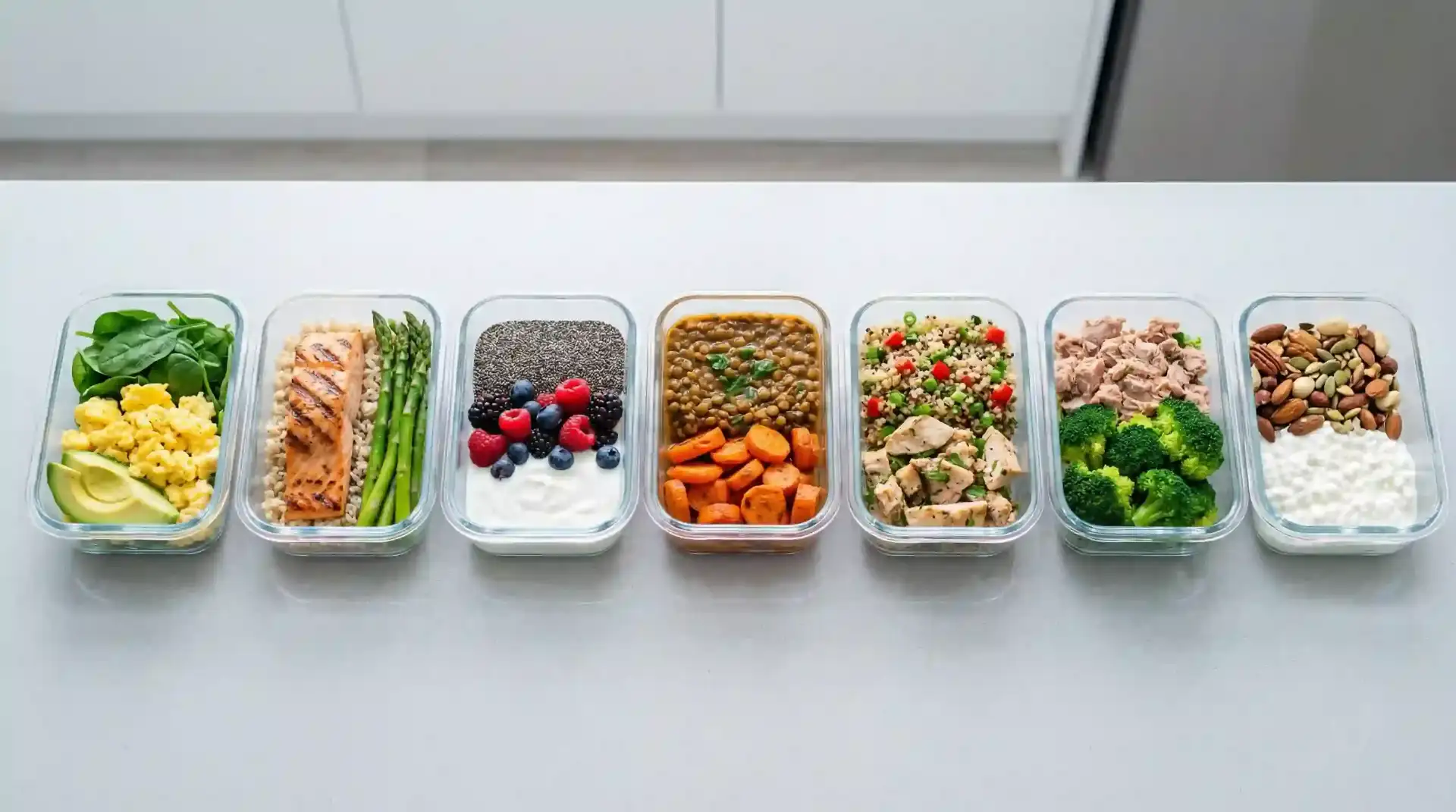
Your thyroid gland plays a crucial role in regulating metabolism, energy levels, and overall health. The right nutrition can significantly support thyroid function, whether you're managing hypothyroidism, hyperthyroidism, or simply optimizing thyroid health.
Understanding Thyroid Function & Nutrition
The thyroid gland produces hormones (T3 and T4) that control metabolism, body temperature, heart rate, and energy production. Proper nutrition provides the building blocks your thyroid needs to function optimally. Key nutrients include iodine, selenium, zinc, iron, and vitamins A, D, and B12.
Types of Thyroid Conditions
- • Hypothyroidism: Underactive thyroid producing too little hormone (most common)
- • Hyperthyroidism: Overactive thyroid producing too much hormone
- • Hashimoto's: Autoimmune condition causing hypothyroidism
- • Graves' Disease: Autoimmune condition causing hyperthyroidism
Essential Nutrients for Thyroid Health
Iodine
Essential for thyroid hormone production. RDA: 150 mcg/day for adults.
Sources: Iodized salt, seafood, dairy, seaweed
Selenium
Protects thyroid from oxidative damage. RDA: 55 mcg/day.
Sources: Brazil nuts (1-2 daily), fish, eggs, sunflower seeds
Zinc
Supports thyroid hormone production. RDA: 8-11 mg/day.
Sources: Oysters, beef, pumpkin seeds, lentils
Iron
Required for thyroid hormone synthesis. RDA: 8-18 mg/day.
Sources: Red meat, beans, fortified cereals, spinach
Foods to Embrace for Thyroid Health
Foods to Limit or Avoid
💡 Important Note on Goitrogens
Goitrogens are compounds that can interfere with thyroid function, found in cruciferous vegetables (broccoli, cauliflower, cabbage, kale). However, cooking these vegetables largely deactivates goitrogens, making them safe and healthy to eat in moderation.
Tip: Steam, boil, or sauté cruciferous vegetables before eating them.
Sample Thyroid-Friendly Meal Plan
Breakfast Options:
- • Greek yogurt with berries and 1 Brazil nut
- • Scrambled eggs with spinach and whole grain toast
- • Oatmeal topped with pumpkin seeds and sliced banana
Lunch Options:
- • Grilled salmon salad with mixed greens and quinoa
- • Chicken breast with steamed broccoli and brown rice
- • Lentil soup with whole grain crackers
Dinner Options:
- • Baked cod with roasted vegetables and sweet potato
- • Turkey meatballs with zucchini noodles and marinara sauce
- • Beef stir-fry with mixed vegetables and cauliflower rice
Lifestyle Tips for Thyroid Health
- ✓Take thyroid medication on empty stomach, 30-60 minutes before breakfast
- ✓Avoid taking supplements with calcium or iron close to medication time
- ✓Manage stress through yoga, meditation, or deep breathing exercises
- ✓Get 7-9 hours of quality sleep each night
- ✓Exercise regularly - aim for 150 minutes of moderate activity per week
- ✓Monitor thyroid levels regularly with your healthcare provider
🔧 Track Your Health
Use our health tools to monitor your progress and ensure you're meeting your nutritional needs:
When to See a Healthcare Provider
Consult your doctor if you experience:
- • Unexplained weight changes despite diet efforts
- • Persistent fatigue or low energy
- • Changes in heart rate or body temperature
- • Hair loss, dry skin, or brittle nails
- • Mood changes, depression, or anxiety
- • Difficulty concentrating or memory issues
Get Personalized Thyroid Nutrition Plan
Managing thyroid health through diet requires personalized guidance. Our certified dietitians specialize in creating thyroid-friendly meal plans tailored to your specific condition and lifestyle.
Book Free Consultation →