Comprehensive Guide to Healthy Weight Gain
In brief
How can someone gain weight in a healthy way?
Healthy weight gain means eating nutrient-dense foods in smaller, frequent meals, boosting calories with healthy fats and high-calorie drinks, prioritising protein, and building muscle through strength training rather than just adding calories. Underweight status is defined as a BMI below 18.5 and can stem from high metabolism, genetics, health conditions, mental health or stress. Avoiding junk food, refined carbs, sugary drinks and alcohol while relying on dense whole foods supports gains that are more muscle than fat.
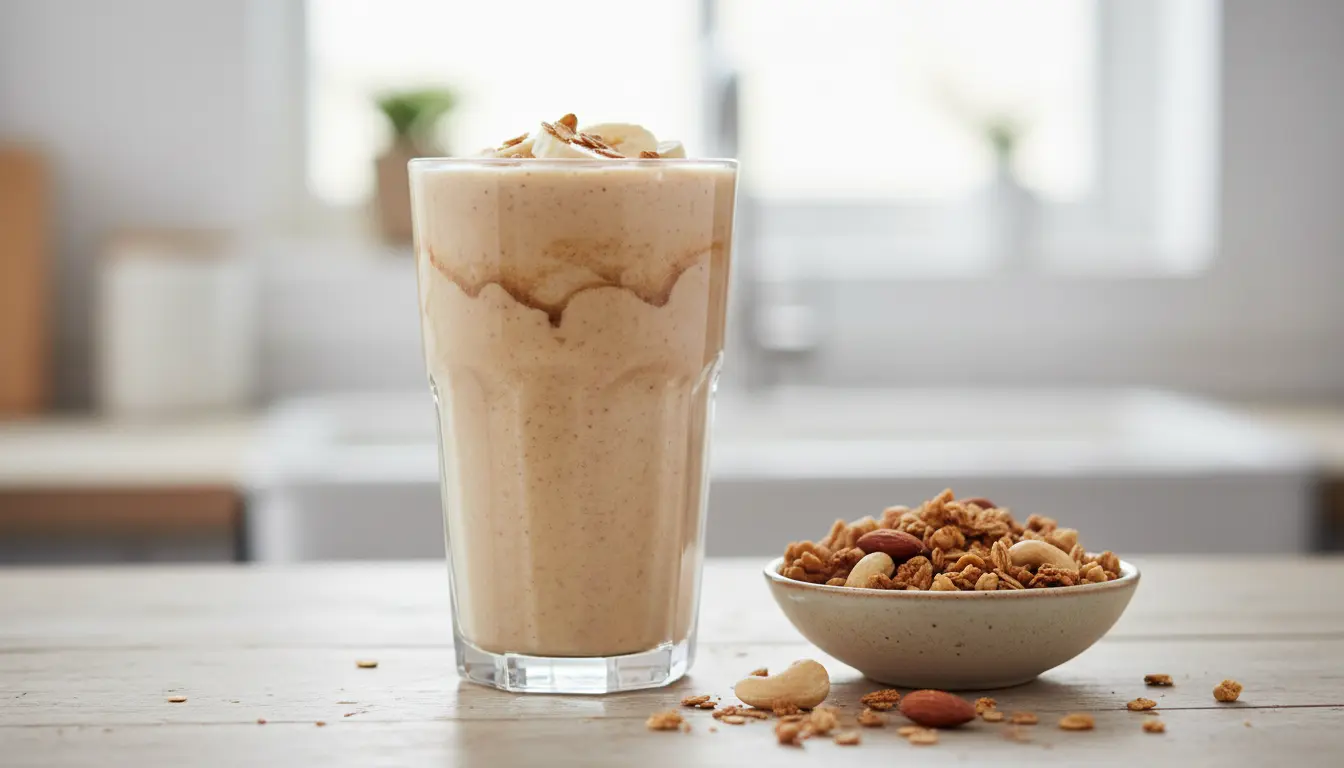
Gaining weight and muscle is a complex process that goes beyond simply eating more. It requires a strategic approach to consuming clean calories that contribute to muscle mass, not excess fat.
Understanding the Challenge of Being Underweight
The difficulties of being underweight often mirror those associated with being overweight, including compromised immunity, fatigue, and noticeable changes in appearance such as pale skin, brittle hair, and nails.
Healthy Weight Range Insights
A healthy weight range is crucial for overall wellness, with BMI serving as a guideline:
Underweight
Normal
Overweight
Obese
Factors Leading to Being Underweight
High Metabolism
Naturally burning calories quickly can impede weight gain.
Genetics
Family history might influence body structure and metabolic rate.
Health Conditions
Certain diseases can lead to weight loss or make gaining difficult.
Mental Health
Psychological issues can significantly affect eating habits.
Stress
Persistent stress can disrupt normal eating patterns.
Strategies for Gaining Weight Healthily
- • Increased Caloric Intake: Choose nutrient-dense foods for added calories
- • Balanced Meals: Opt for smaller, frequent meals and nutrient-rich snacks
- • Quality Macronutrients: Focus on whole grains, lean proteins, and healthy fats
- • Strength Training: Build muscle mass with push-ups, lunges, and squats
- • Stress Management: Employ stress-reduction techniques
- • Sufficient Sleep: Ensure adequate sleep to regulate appetite
Do's and Don'ts for Healthy Weight Gain
Do's
- ✓Eat smaller meals frequently: 5-6 meals throughout the day
- ✓Snack smart: Nuts, seeds, yogurt, cheese, and fruits
- ✓Boost meals with healthy fats: Nuts, avocados, olive oil
- ✓Drink high-calorie beverages: Smoothies, milkshakes with real fruit
- ✓Build muscle: Strength training and yoga
- ✓Prioritize protein: Beans, lentils, fish, eggs, lean meat
- ✓Choose balanced meals: Include all food groups
- ✓Make snacks easy: Yogurt, rice pudding, or fruits
Don'ts
- ✗Depend on junk food: Avoid chips, pastries, and sugary drinks
- ✗Consume refined carbs: Choose whole-wheat alternatives
- ✗Drink sugary beverages: Avoid aerated drinks and sugary juices
- ✗Overindulge in alcohol: Contains empty calories
- ✗Rely on unhealthy sweets: Avoid cakes, chocolates excessively
- ✗Fill up on drinks: Drinking before meals reduces appetite
🔧 Calculate Your Calorie Needs
Use our free tools to determine your daily calorie and protein requirements for healthy weight gain. Need to calculate your exact calorie surplus? Our calorie calculator for weight gain guide walks you through the Mifflin-St Jeor formula with worked examples.
Conclusion
Gaining weight in a healthy manner requires a holistic approach that includes careful diet planning, regular exercise, and lifestyle modifications. Professional guidance from a dietitian can offer customized advice tailored to your personal health goals.
Ready to transform your health? Our certified dietitians specialize in creating personalized weight gain plans that work with your body, not against it.
Book a Free Consultation →