Managing Insulin Resistance with PCOS
In brief
How can insulin resistance be managed through diet in PCOS?
Up to seventy to eighty percent of women with PCOS have some degree of insulin resistance, which drives weight gain and hormone imbalance regardless of body weight. Managing it means choosing low-GI foods, pairing carbs with protein or fat, eating fibre first, controlling portions, eating regular meals and limiting added sugars. Cinnamon, apple cider vinegar, berries, leafy greens, fatty fish and legumes are highlighted as insulin-sensitizing foods, alongside exercise, sleep, stress management and weight management.
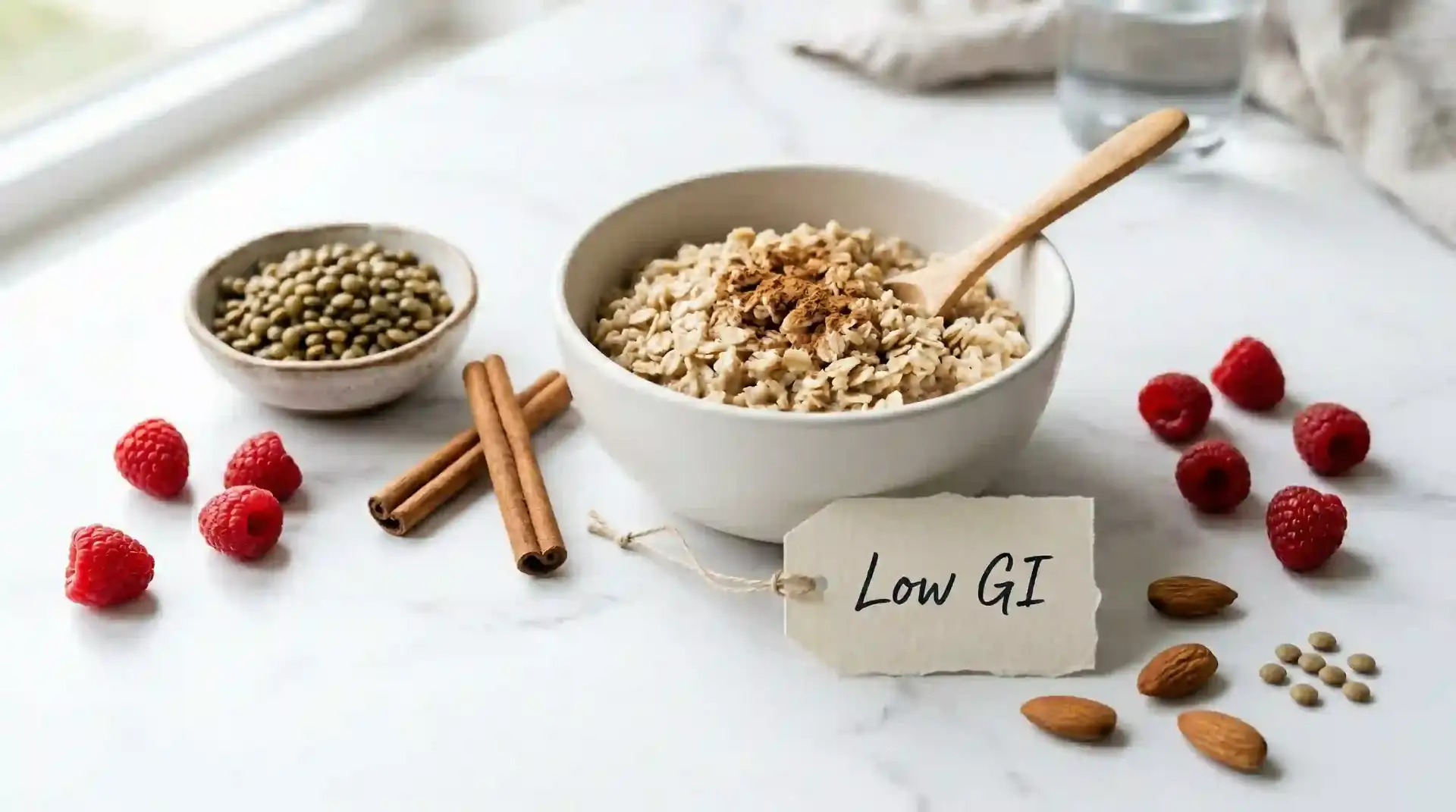
Insulin resistance is the hidden driver behind many PCOS symptoms. When your cells don't respond properly to insulin, your body produces more of it, leading to weight gain, hormonal imbalances, and increased androgen levels. Understanding and managing insulin resistance is key to taking control of PCOS.
The PCOS-Insulin Connection
Up to 70-80% of women with PCOS have some degree of insulin resistance, regardless of their weight. High insulin levels stimulate the ovaries to produce excess androgens, creating a cycle that worsens PCOS symptoms.
Signs of Insulin Resistance
Recognizing insulin resistance is the first step. Common signs include:
- Difficulty losing weight, especially around the midsection
- Intense cravings for sugar and carbohydrates
- Fatigue after meals, especially carb-heavy ones
- Dark patches on skin (acanthosis nigricans)
- Irregular or absent menstrual periods
- Skin tags on neck or armpits
Dietary Strategies for Insulin Resistance
Choose Low-GI Foods
Focus on foods that don't spike blood sugar: non-starchy vegetables, legumes, whole grains, and most fruits.
Pair Carbs with Protein/Fat
Never eat carbs alone. Adding protein or healthy fat slows glucose absorption.
Eat Fiber First
Start meals with vegetables or salad. Fiber creates a barrier that slows sugar absorption.
Control Portions
Even healthy carbs can spike insulin if eaten in large amounts. Use smaller plates.
Time Your Meals
Eat regular meals (don't skip!) and avoid eating late at night when insulin sensitivity is lower.
Limit Added Sugars
Read labels carefully. Sugar hides in many foods including sauces, dressings, and "healthy" snacks.
Top Insulin-Sensitizing Foods
May improve insulin sensitivity by up to 20%
Taking before meals can reduce blood sugar spikes
High in fiber and antioxidants, low glycemic impact
Magnesium-rich, essential for insulin function
Omega-3s reduce inflammation and improve insulin response
Excellent protein-fiber combo for stable blood sugar
Lifestyle Changes That Help
🏃♀️ Exercise
Both cardio and resistance training improve insulin sensitivity. Aim for 150 minutes weekly.
😴 Sleep
Poor sleep worsens insulin resistance. Prioritize 7-9 hours of quality sleep.
🧘 Stress Management
Chronic stress raises cortisol, which increases blood sugar and insulin levels.
⚖️ Weight Management
Even 5-10% weight loss can dramatically improve insulin sensitivity.
🔧 Calculate Your Calorie Needs
Understanding your caloric needs is essential for managing weight and insulin resistance with PCOS.
Sample Day for Insulin Resistance
🌅 Breakfast
Eggs with spinach and avocado (protein + fat + fiber, no blood sugar spike)
🌞 Lunch
Large salad with grilled chicken, olive oil dressing, and a small serving of quinoa
🍎 Snack
Apple slices with almond butter and a sprinkle of cinnamon
🌙 Dinner
Baked salmon with roasted vegetables and a side of lentils
Get Expert Help Managing Insulin Resistance
Managing insulin resistance with PCOS requires a personalized approach. Our dietitians specialize in creating sustainable plans that address your unique hormonal and metabolic needs.