Heart-Healthy Diet Essentials
In brief
What does a heart-healthy diet look like?
The Mediterranean diet is described as the gold standard for heart health, built around olive oil, fish at least twice a week, vegetables filling half the plate, whole grains, nuts and limited red meat. Top heart-protective foods include omega-3 rich fish, whole grains, leafy greens, nuts and seeds, berries, legumes, olive oil and avocados, while processed meats, trans fats, excess sodium, added sugars and refined carbs should be limited. Regular exercise, stress management, not smoking, limited alcohol, good sleep and knowing your blood pressure and cholesterol numbers round out heart protection.
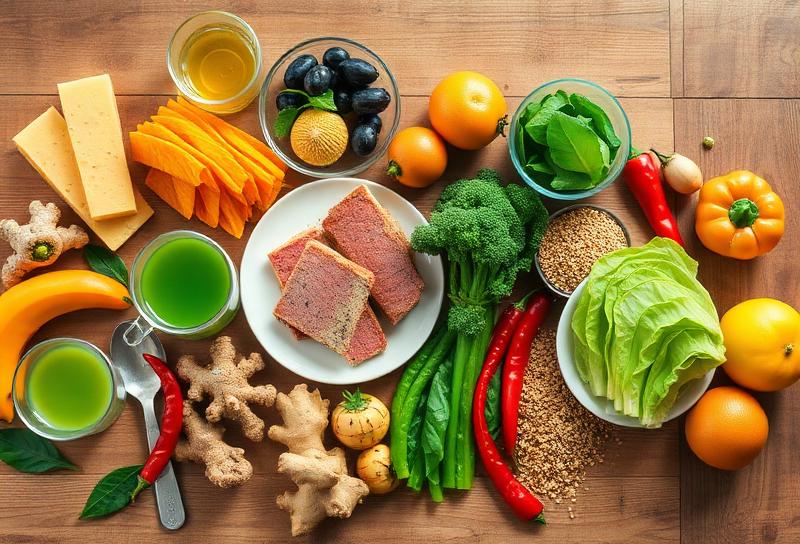
Heart disease remains the leading cause of death worldwide, but up to 80% of cardiovascular events can be prevented through lifestyle changes, with diet playing a central role. This comprehensive guide explores the science-backed foods and eating patterns that protect your heart.
The Diet-Heart Connection
What you eat directly affects cholesterol levels, blood pressure, inflammation, and arterial health. A heart-healthy diet can reduce heart disease risk by up to 30%, comparable to the effect of medications, but without side effects.
The Mediterranean Diet: Gold Standard for Heart Health
Research consistently shows the Mediterranean diet reduces cardiovascular events by 25-30%. Here are its core principles:
- Make olive oil your primary fat source
- Eat fish at least twice a week
- Fill half your plate with vegetables
- Choose whole grains over refined
- Snack on nuts instead of processed foods
- Limit red meat to a few times monthly
- Enjoy meals with family and friends
Top Heart-Protective Foods
Reduces inflammation and triglycerides
Best choices: Salmon, mackerel, sardines, herring
Lowers cholesterol and blood pressure
Best choices: Oats, brown rice, quinoa, whole wheat
Rich in vitamin K and nitrates
Best choices: Spinach, kale, Swiss chard, collards
Heart-protective healthy fats and fiber
Best choices: Almonds, walnuts, flaxseeds, chia seeds
Powerful antioxidants reduce oxidative stress
Best choices: Blueberries, strawberries, raspberries
Soluble fiber reduces LDL cholesterol
Best choices: Beans, lentils, chickpeas
Monounsaturated fats improve cholesterol profile
Best choices: Extra virgin olive oil
Healthy fats and potassium for blood pressure
Best choices: Fresh avocado
Foods to Limit for Heart Health
High in sodium, saturated fat, and preservatives
Examples: Bacon, sausage, deli meats, hot dogs
Raises LDL and lowers HDL cholesterol
Examples: Fried foods, packaged snacks, margarine
Increases blood pressure significantly
Examples: Canned soups, fast food, chips
Contributes to inflammation and obesity
Examples: Soda, candy, pastries, sweetened cereals
Raises triglycerides and blood sugar
Examples: White bread, pasta, pastries
Sample Heart-Healthy Day
🌅 Breakfast
Oatmeal with berries, walnuts, and ground flaxseed; green tea
🌞 Lunch
Mediterranean salad with olive oil, chickpeas, and grilled vegetables
🍎 Snack
Handful of almonds with an apple
🌙 Dinner
Grilled salmon with roasted vegetables and quinoa; small glass of red wine (optional)
🔧 Monitor Your Heart Health
Use our calculators to track key metrics that affect cardiovascular health.
Additional Heart-Healthy Tips
- • Exercise regularly: 150 minutes of moderate activity weekly
- • Manage stress: Chronic stress increases heart disease risk
- • Don't smoke: Quitting reduces heart attack risk within weeks
- • Limit alcohol: If you drink, do so in moderation
- • Sleep well: 7-8 hours protects cardiovascular health
- • Monitor numbers: Know your blood pressure and cholesterol
Get Personalized Heart Health Guidance
Every heart is different. Our dietitians can create a customized plan based on your specific risk factors, health history, and preferences.