PCOS Diet: What to Eat & Avoid
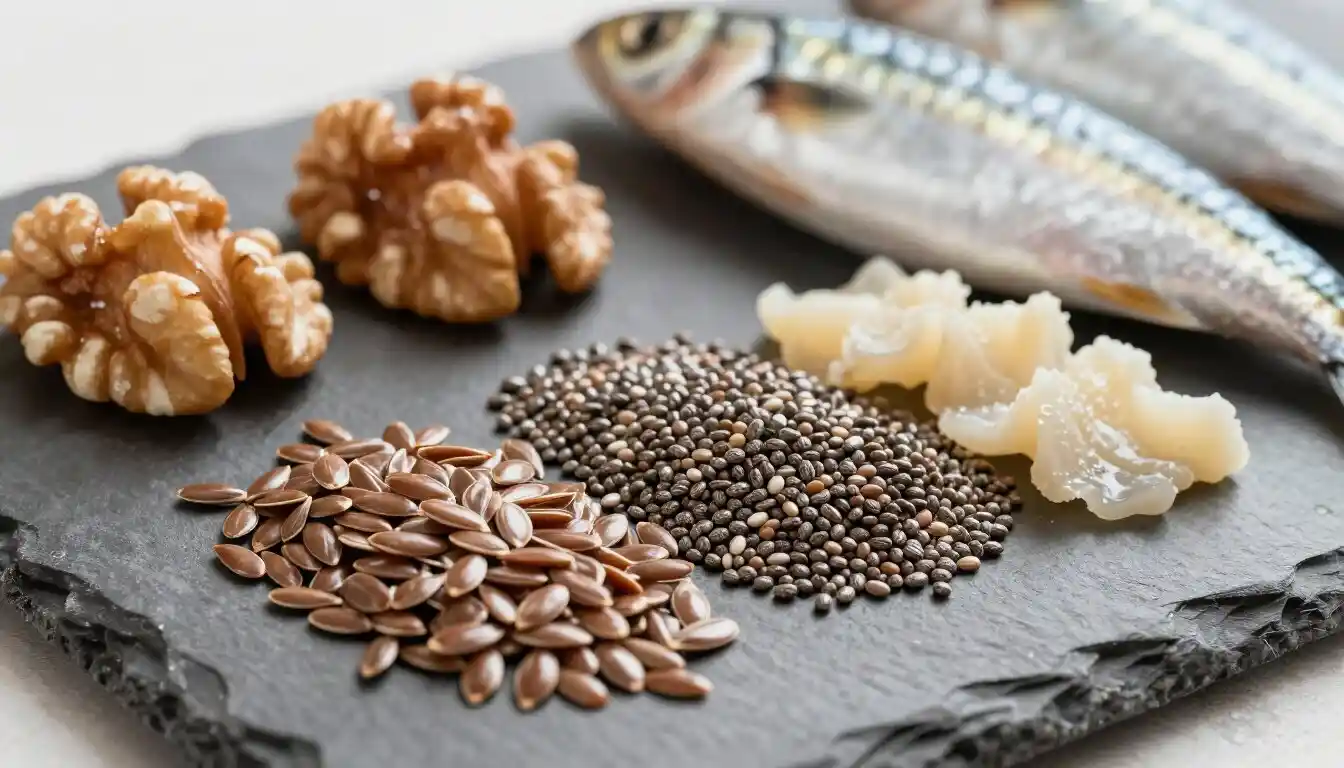
Polycystic Ovary Syndrome (PCOS) affects up to 10% of women of reproductive age, making it one of the most common hormonal disorders. While there's no cure, the right diet can significantly reduce symptoms and improve quality of life. This guide covers everything you need to know about eating for PCOS management.
Understanding PCOS and Diet
PCOS is closely linked to insulin resistance, which affects 70-80% of women with the condition. Diet plays a crucial role because what you eat directly impacts insulin levels, inflammation, and hormone balance, the three pillars of PCOS management.
Why Diet Matters for PCOS
A PCOS-friendly diet can help:
Manage Insulin Resistance
Reduce blood sugar spikes that worsen hormonal imbalances
Reduce Inflammation
Anti-inflammatory foods help decrease PCOS symptoms
Support Weight Management
Even 5-10% weight loss can improve symptoms significantly
Balance Hormones
The right nutrients support healthy hormone production
Foods to Include in Your PCOS Diet
Help slow digestion and reduce insulin impact
Examples: Oats, quinoa, lentils, beans, vegetables
Keep you full and stabilize blood sugar
Examples: Chicken, fish, eggs, tofu, Greek yogurt
Reduce inflammation associated with PCOS
Examples: Fatty fish, olive oil, turmeric, berries
Provide nutrients without spiking blood sugar
Examples: Berries, apples, pears, citrus fruits
Rich in B vitamins and essential minerals
Examples: Spinach, kale, broccoli, Brussels sprouts
Support hormone production and satiety
Examples: Avocados, nuts, seeds, olive oil
Foods to Limit or Avoid
Cause rapid blood sugar spikes
Watch out for: White bread, pasta, pastries, crackers
Worsen insulin resistance
Watch out for: Soda, candy, desserts, sweetened beverages
Increase inflammation and symptoms
Watch out for: Fried foods, processed meats, margarine
May increase androgen levels
Watch out for: Full-fat milk, cream, some cheeses
Can disrupt hormone balance and liver function
Watch out for: Beer, wine, cocktails
Sample PCOS-Friendly Meal Plan
Breakfast
Protein-rich start: eggs with vegetables, or Greek yogurt with berries and nuts
Lunch
Balanced plate: lean protein, complex carbs, plenty of vegetables
Dinner
Light and early: fish or chicken with salad, finish eating 3 hours before bed
Snacks
Smart choices: handful of nuts, veggie sticks with hummus, small fruit
🔧 Track Your PCOS Progress
Use our PCOS-specific calculator to monitor your symptoms and track improvements with dietary changes.
Additional PCOS Management Tips
- • Exercise regularly: Both cardio and strength training help manage insulin
- • Manage stress: High cortisol worsens PCOS symptoms
- • Get enough sleep: Poor sleep affects hormone balance
- • Consider supplements: Inositol, vitamin D, and omega-3s may help (consult your doctor)
- • Track your cycle: Monitor symptoms to identify patterns
Get Personalized PCOS Nutrition Support
Managing PCOS through diet is highly individual. Our specialized dietitians can create a customized plan based on your specific symptoms, lifestyle, and goals.