Essential Nutrition Guide for Your First Trimester
In brief
What nutrients and foods matter most in the first trimester of pregnancy?
The first trimester is when a baby's major organs form, so it calls for increased folic acid, iron, calcium, protein and DHA rather than extra calories, obtained from foods like leafy greens, lean meat, dairy and fatty fish alongside a prenatal vitamin. Whole grains, lean proteins, dairy, colourful produce and legumes should be favoured, while high-mercury fish, raw or undercooked meat and eggs, unpasteurized dairy, raw sprouts, excess caffeine and alcohol should be avoided. For the roughly eighty percent of women who experience nausea, small frequent meals, ginger, bland snacks and staying hydrated can help.
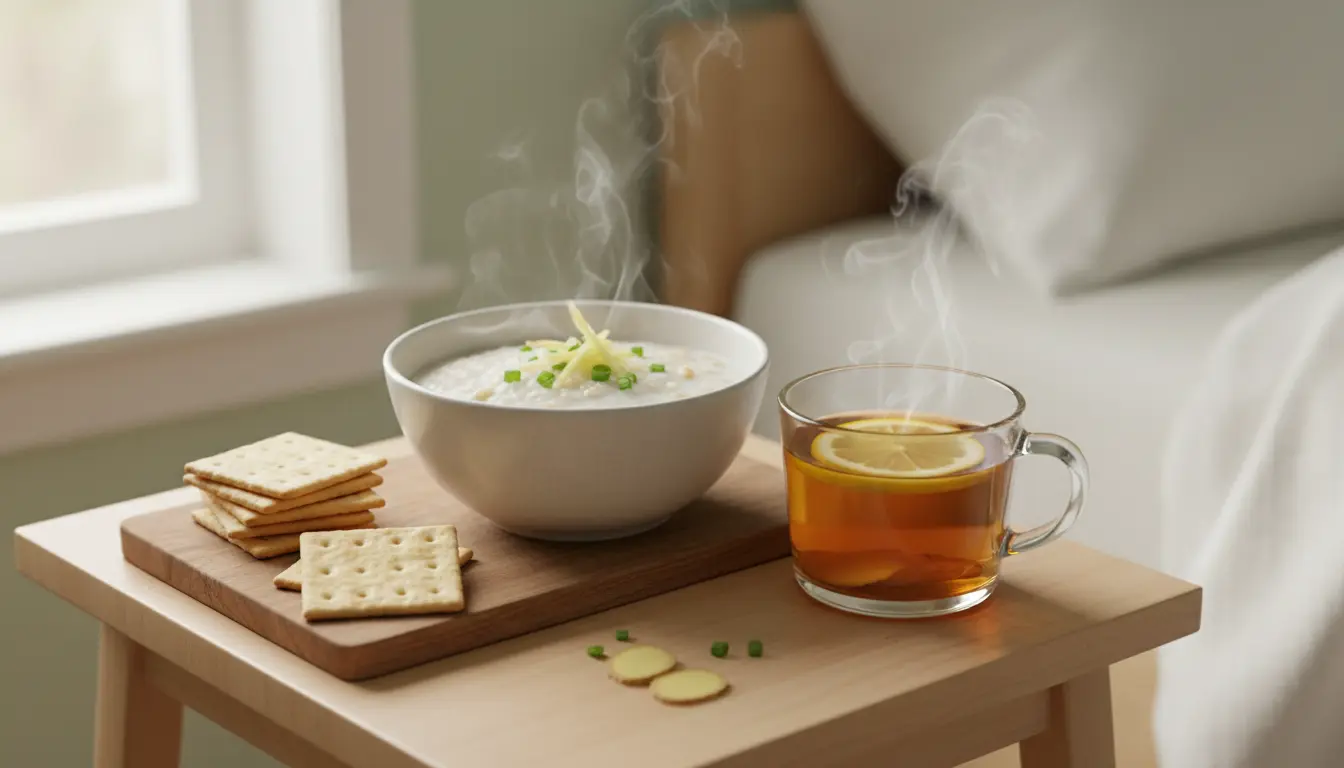
The first trimester is one of the most critical periods of pregnancy, when your baby's major organs and systems begin to form. Proper nutrition during these crucial 12 weeks sets the foundation for a healthy pregnancy and baby development.
What's Happening in the First Trimester?
- • Week 1-4: Fertilization and implantation occur
- • Week 5-8: Major organs begin to form (heart, brain, spinal cord)
- • Week 9-12: All major body systems are developing
- • Common symptoms: Nausea, fatigue, food aversions, frequent urination
Essential Nutrients for First Trimester
During the first trimester, you don't need extra calories yet, but you do need increased amounts of certain nutrients crucial for your baby's development:
Folic Acid
Why it matters: Prevents neural tube defects
Food sources: Leafy greens, fortified cereals, beans, citrus fruits
Iron
Why it matters: Prevents anemia, supports baby's growth
Food sources: Red meat, spinach, lentils, fortified cereals
Calcium
Why it matters: Builds baby's bones and teeth
Food sources: Dairy products, fortified plant milk, leafy greens
Protein
Why it matters: Supports tissue growth and development
Food sources: Lean meat, eggs, beans, nuts, dairy
DHA (Omega-3)
Why it matters: Brain and eye development
Food sources: Fatty fish, walnuts, chia seeds, fortified eggs
💊 About Prenatal Vitamins
Even with a healthy diet, it's difficult to get all the nutrients you need from food alone. A prenatal vitamin ensures you're getting adequate folic acid, iron, and other essential nutrients.
Tip: Take your prenatal vitamin with food to reduce nausea, and at the same time each day to build a routine.
Foods to Eat During First Trimester
- Whole grains (brown rice, oats, quinoa, whole wheat bread)
- Lean proteins (chicken, fish low in mercury, eggs, legumes)
- Dairy or fortified alternatives (milk, yogurt, cheese)
- Colorful fruits and vegetables (berries, oranges, spinach, sweet potatoes)
- Healthy fats (avocado, nuts, olive oil, fatty fish)
- Legumes (lentils, chickpeas, black beans)
Foods to Avoid During Pregnancy
High-mercury fish
Risk: Mercury can harm baby's nervous system
Examples: Shark, swordfish, king mackerel, tilefish
Raw or undercooked meat/eggs
Risk: Risk of foodborne illness
Examples: Raw sushi, rare steak, runny eggs
Unpasteurized dairy
Risk: Risk of listeria infection
Examples: Soft cheeses, raw milk
Raw sprouts
Risk: Bacterial contamination risk
Examples: Alfalfa, mung bean, clover sprouts
Excessive caffeine
Risk: May increase miscarriage risk
Examples: Limit to 200mg/day (1-2 cups coffee)
Alcohol
Risk: Can cause birth defects
Examples: No safe amount - avoid completely
Safe Fish Choices
Fish is excellent for pregnancy, but choose low-mercury options:
Safe (2-3 servings/week): Salmon, sardines, trout, cod, tilapia, shrimp
Managing Morning Sickness & Nausea
Up to 80% of pregnant women experience nausea during the first trimester. While challenging, these dietary strategies can help:
- ✓Eat small, frequent meals (5-6 times a day) instead of 3 large meals
- ✓Keep crackers or dry toast by your bedside to eat before getting up
- ✓Stay hydrated with small sips of water, ginger tea, or lemon water
- ✓Avoid strong smells and greasy, spicy, or very sweet foods
- ✓Try ginger (ginger tea, ginger candies, or ginger ale)
- ✓Eat protein-rich snacks (nuts, cheese, yogurt)
- ✓Get plenty of rest and manage stress
Sample First Trimester Meal Plan
Early Morning (If Nauseous):
Whole grain crackers or dry toast before getting out of bed
Breakfast:
- • Oatmeal with sliced banana and walnuts
- • Scrambled eggs with whole wheat toast and avocado
- • Greek yogurt parfait with berries and granola
Mid-Morning Snack:
Apple slices with almond butter or a small handful of nuts
Lunch:
- • Grilled chicken salad with mixed greens, veggies, and vinaigrette
- • Lentil soup with whole grain bread
- • Whole wheat wrap with turkey, cheese, and vegetables
Afternoon Snack:
Cheese and whole grain crackers or carrot sticks with hummus
Dinner:
- • Baked salmon with quinoa and steamed broccoli
- • Chicken stir-fry with brown rice and mixed vegetables
- • Whole wheat pasta with lean ground turkey and tomato sauce
Evening Snack:
Glass of milk with a few whole grain cookies or a small bowl of berries
Hydration During First Trimester
Staying hydrated is crucial during pregnancy. Aim for:
- • 8-10 glasses (64-80 oz) of water daily
- • More if you're exercising or in hot weather
- • Limit caffeinated beverages (coffee, tea) to 200mg/day
- • Avoid sugary drinks and excessive fruit juice
- • Try herbal teas (ginger, peppermint) for variety and nausea relief
🔧 Plan Your Meals
Use our tools to create balanced, pregnancy-friendly meal plans that meet your nutritional needs:
When to Consult Your Healthcare Provider
Contact your doctor immediately if you experience:
- • Severe, persistent nausea and vomiting (hyperemesis gravidarum)
- • Inability to keep food or fluids down
- • Signs of dehydration (dark urine, dizziness, extreme fatigue)
- • Severe abdominal pain or cramping
- • Vaginal bleeding
- • Fever above 100.4°F (38°C)
Get Personalized Pregnancy Nutrition Plan
Every pregnancy is unique. Our certified prenatal nutritionists create customized meal plans that support your baby's development while managing your symptoms and preferences.
Book Free Consultation →