What is a Nutrition Plan? A Comprehensive Guide to Balanced Eating
In brief
What is a nutrition plan and how do you build one?
A nutrition plan is a framework providing essential nutrients in the right proportions across four food groups: cereals and millets, vegetables and fruits, milk and animal products, and oils, fats and nuts. A balanced daily calorie intake generally follows roughly 50 to 60 percent carbohydrates, 10 to 15 percent protein and 20 to 30 percent fat, with specific needs shifting across life stages from infancy through adolescence to the elderly. Building a plan starts with calculating energy needs based on activity level, including variety for micronutrients, and limiting refined sugars.
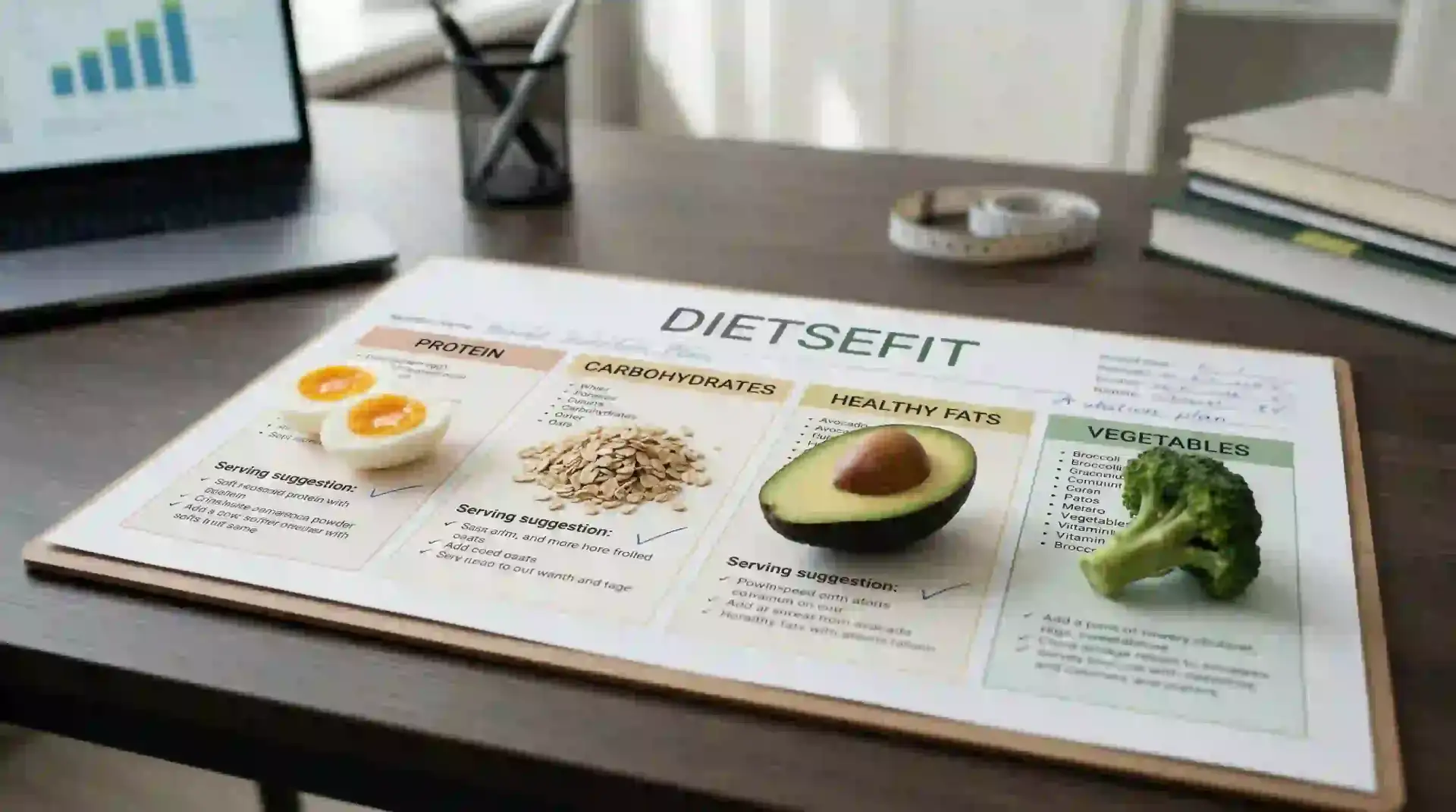
A nutrition plan is more than just a list of foods; it is a clinical framework designed to provide essential nutrients in the correct proportions. Whether you are wondering how to create a nutritional plan for yourself or your family, understanding the four basic food groups is the first step.
Core Dietary Principles: The "Four Group" Rule
To achieve a truly balanced diet, global experts recommend a variety-first approach across these 4 categories:
- Cereals & Millets: The primary energy source.
- Vegetables & Fruits: For vital micronutrients.
- Milk & Animal Products: High-quality protein.
- Oils, Fats & Nuts: Essential fatty acids.
The Golden Macronutrient Ratio
For optimal metabolic health, your daily caloric intake should ideally follow this distribution:
50, 60%
Carbohydrates
Focus on complex carbs
10, 15%
Proteins
RDA of 0.83g/kg to 1g/kg
20, 30%
Fats
Minimize saturated fats
Nutrition Across the Lifespan
Infants (0, 12 Months)
The first six months require exclusive breastfeeding. No additional water or formula is needed. From 6, 12 months, introduce semi-solid complementary foods like mashed cereals or malted ragi.
Adolescents (1, 18 Years)
This stage is characterized by rapid growth spurts. Focus on calcium-rich foods (milk, ragi) to ensure peak bone mass and prevent osteoporosis later in life.
The Elderly (60+ Years)
Energy needs decrease, but nutrient density must increase. Foods should be soft, well-cooked, and less spicy. Restrict visible fat to less than 20g/day to maintain heart health.
💡 Expert Tip: Cooking for Nutrient Retention
Adopt germination and fermentation to boost B-complex vitamins. Avoid deep-frying oils repeatedly, as this creates harmful free radicals that damage cellular health.
How to Create a Nutritional Plan
To create an effective plan, start by calculating your energy needs based on activity levels (Sedentary, Moderate, or Heavy). Incorporate variety to ensure micronutrient needs are met and limit refined sugars to avoid "empty calories."
Need personalized guidance? A registered dietitian can help you create a nutrition plan tailored to your specific health goals and lifestyle.
Book a Free Consultation →