Kidney-Friendly Diet Basics
In brief
What should people with kidney disease eat to protect their kidneys?
A kidney-friendly diet manages sodium, potassium, phosphorus and protein according to the stage of chronic kidney disease, since declining kidney function causes these nutrients to build up in the blood. Foods like low-potassium fruits, cauliflower, egg whites, olive oil, cabbage and bell peppers are good choices, while high-potassium, high-phosphorus, high-sodium foods and excessive protein should be limited. Reading labels, leaching high-potassium vegetables, choosing fresh over processed foods and following fluid guidance from a doctor all support kidney health.
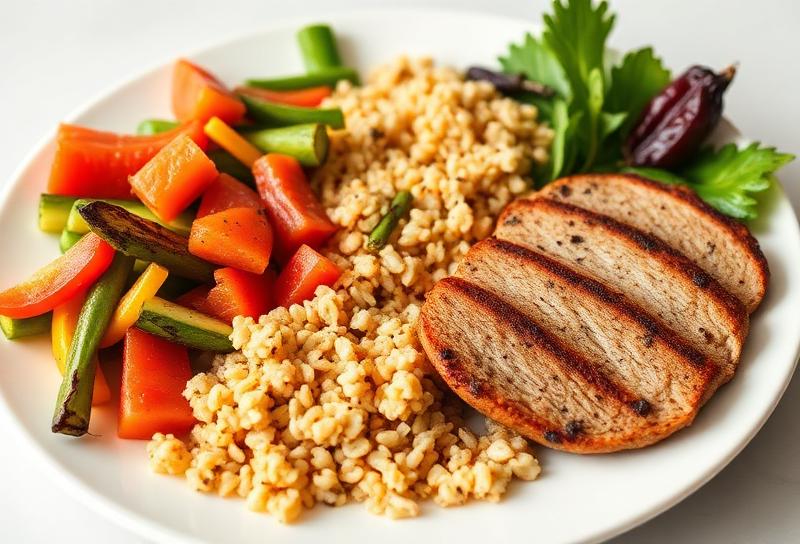
When your kidneys aren't working at full capacity, what you eat becomes critical. A kidney-friendly diet helps reduce the workload on your kidneys while ensuring you get the nutrition you need. This guide covers the essential principles of renal nutrition.
Why Diet Matters for Kidney Health
Healthy kidneys filter waste and balance minerals. When kidney function declines, certain nutrients build up in your blood, potentially causing serious complications. Diet modification can slow CKD progression by up to 50%.
Diet by CKD Stage
Dietary needs vary based on your kidney function:
Focus on blood pressure control, limit sodium
Moderate protein, watch potassium and phosphorus
Stricter limits on all minerals
Very strict diet or dialysis preparation
Key Nutrients to Manage
🧂 Sodium
Limit to 2,000-2,300 mg daily to control blood pressure and reduce fluid retention
🍌 Potassium
Often limited to 2,000 mg in later stages; excess can affect heart rhythm
🦴 Phosphorus
Limit to 800-1,000 mg; high levels weaken bones and damage blood vessels
🥩 Protein
Moderate amounts needed; too much creates waste for kidneys to filter
Kidney-Friendly Foods to Include
Provide vitamins without potassium overload
Try: Apples, berries, grapes, pineapple, watermelon
Low in potassium and phosphorus, high in vitamin C
Try: Steamed, mashed, roasted, or as rice substitute
High-quality protein with minimal phosphorus
Try: Omelets, scrambled, or in baking
Healthy fat, no sodium or potassium
Try: Cooking oil, salad dressings
Low in potassium, high in fiber and vitamin K
Try: Coleslaw, stir-fry, soups
Low in potassium, high in antioxidants
Try: Raw, roasted, stuffed
Foods to Limit
Damaged kidneys can't filter excess potassium
Examples: Bananas, oranges, potatoes, tomatoes
Builds up and weakens bones
Examples: Dairy, dark colas, processed meats
Increases blood pressure and fluid retention
Examples: Processed foods, canned soups, fast food
Creates waste products kidneys must filter
Examples: Large portions of meat, fish, eggs
Sample Kidney-Friendly Meal Plan
🌅 Breakfast
Egg white omelet with peppers, low-sodium bread, and fresh berries
🌞 Lunch
Grilled chicken breast with cauliflower rice and cabbage salad
🍎 Snack
Apple slices with a small handful of unsalted almonds
🌙 Dinner
Baked fish with steamed green beans and white rice
Practical Tips for Success
- • Read labels: Check sodium, potassium, and phosphorus content
- • Leach potassium: Soak and boil high-potassium vegetables to reduce content
- • Choose fresh: Processed foods often have hidden phosphorus additives
- • Track intake: Use a food diary to monitor nutrient consumption
- • Cook at home: Gives you control over ingredients and preparation
- • Stay hydrated: Follow your doctor's fluid recommendations
Get Personalized Renal Nutrition Guidance
Kidney diets are complex and highly individual. Our renal dietitians can create a customized plan based on your specific lab values and CKD stage.